
Why Beginners Should Start with a Rider-Waite-Smith Deck
Your First Deck Matters
As I teach more Introduction to Tarot classes, I become increasingly committed to one core idea: beginning readers have a far more joyful, accessible, and confidence-building experience when they start with a Rider-Waite-Smith Tarot deck, or with a modern deck that closely follows its imagery.
There are hundreds of beautiful tarot decks in the world. Many are clever, playful, and themed around specific interests. And honestly, if someone gives you a tarot deck as a gift, it is very unlikely to be a Rider-Waite-Smith deck. It is much more likely to be something about hobby you have – houseplants, knitting, k-pop boy bands. Those decks can be delightful, and they often come from a place of love and connection when they end up in your hands.
But when it comes to learning tarot, the Rider-Waite-Smith deck offers something fundamentally different.
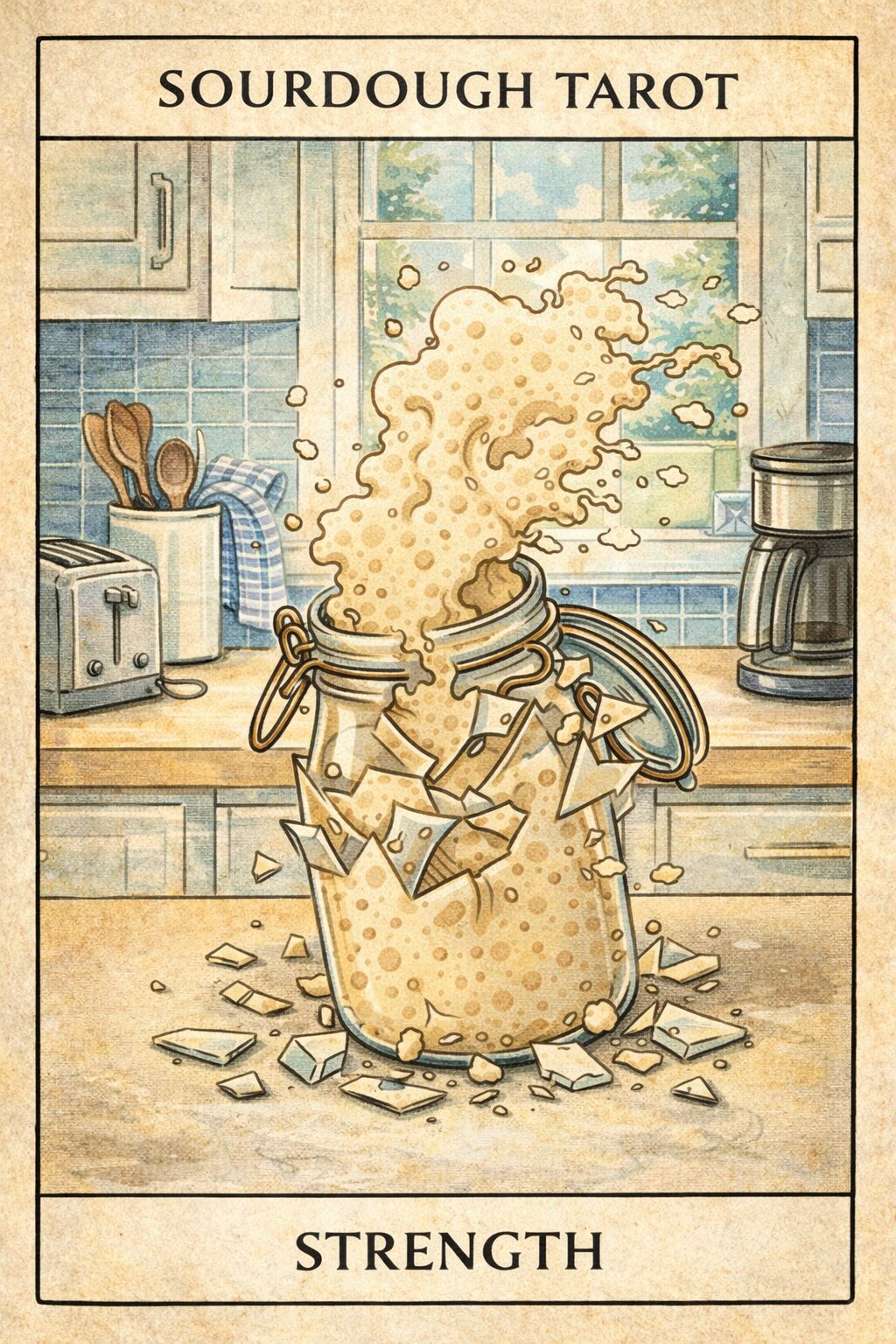
An Intuitive Visual Language
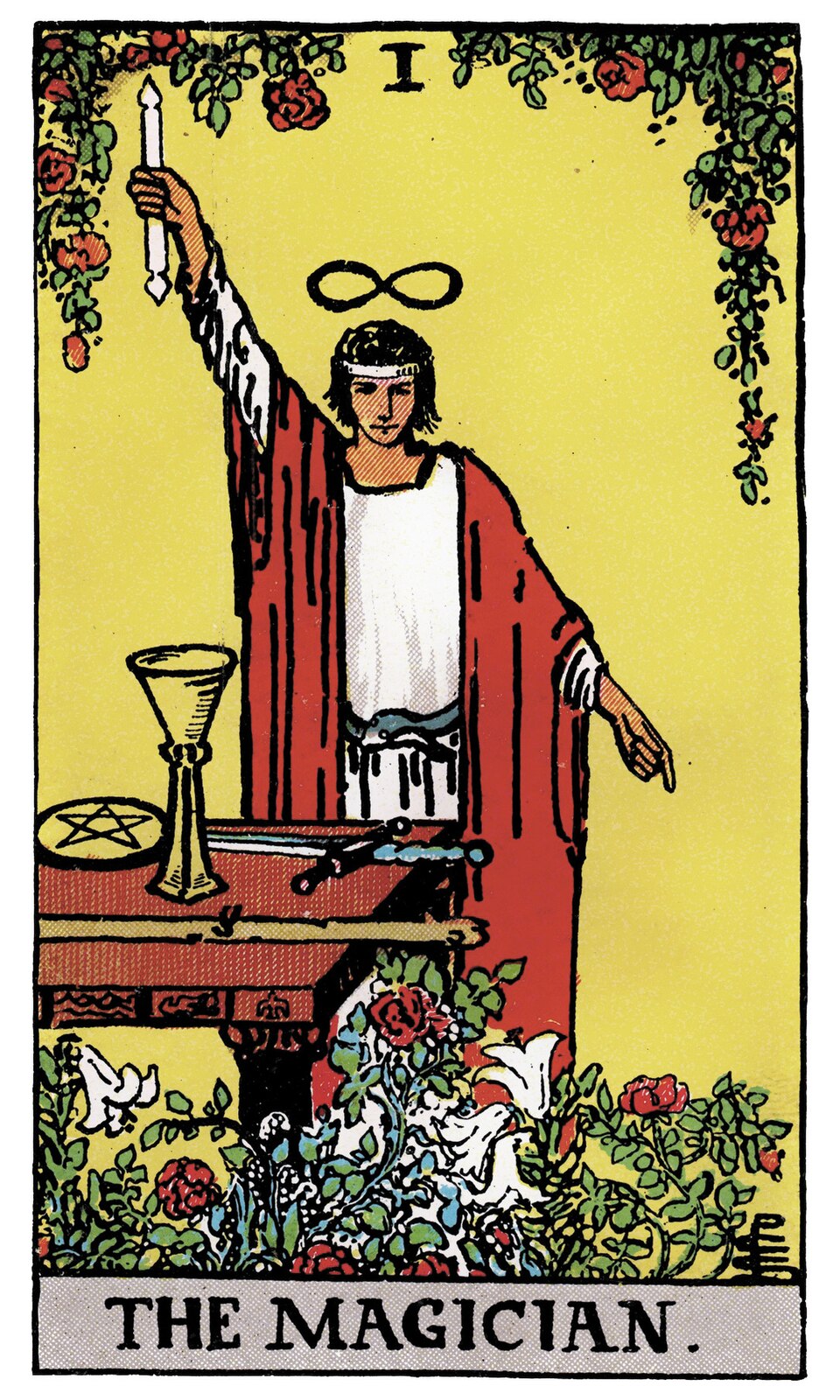
The Rider-Waite-Smith deck is rooted in a shared system of imagery and symbolism that has shaped tarot practice for more than a century. Because of this, it is immediately accessible out of the gate. The images are designed to tell stories, not just decorate the cards.
When you are learning tarot, what you want to move away from as quickly as possible, or honestly, what you want to begin with, is reading without your nose stuck in a book. Tarot is not about memorizing definitions. It is about cultivating intuition, deep listening, and trust in what you notice and feel.
The Rider-Waite-Smith deck supports this process because the imagery itself contains layered meaning. You can look at a card and begin reading right away, even before you know its traditional interpretation.

Who Created the Rider-Waite-Smith Deck?
The deck is the result of a collaboration between two remarkable figures.
The imagery was painted by Pamela Colman Smith, an artist, illustrator, and occultist whose intuitive visual storytelling is the heart of the deck. Smith was deeply attuned to symbolism, myth, and emotion, and her illustrations are rich with narrative detail and psychological depth. For a long time, her contributions were under-credited, but today she is rightly recognized as the primary visual architect of modern tarot.
The symbolic framework and spiritual direction came from A. E. Waite, a mystic and scholar of esoteric traditions. Waite brought deep knowledge of Western spiritual symbolism, numerology, and tarot philosophy to the project. Together, Waite and Smith created a deck that pairs spiritual structure with intuitive, emotionally resonant art.
An important practical note: the Rider-Waite-Smith deck is in the public domain. This means it is widely available, affordable, and endlessly adapted. There is no “big tarot” trying to upsell you on proprietary decks. You can find excellent versions for under $20 at most local bookstores.
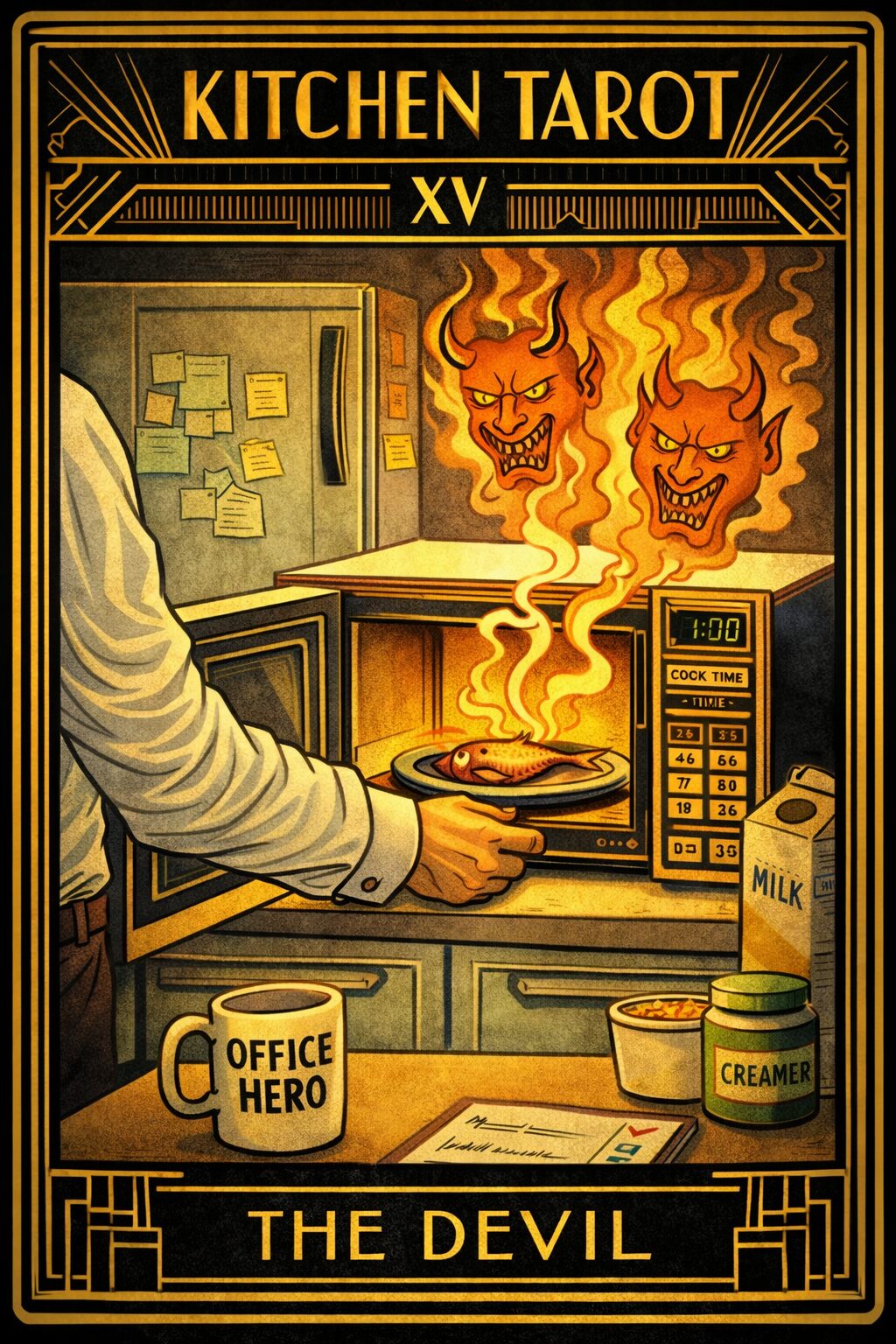
Why This Matters for Beginners
Most tarot books, classes, and reference materials are written using Rider-Waite-Smith imagery as their foundation. When a book explains the symbolism of the Five of Pentacles, or the posture of the figures in the Lovers, it is describing these images.
If you start with a deck that departs significantly from this system, you are learning tarot while simultaneously translating between visual languages. That extra cognitive load makes it harder to enter flow state and harder to trust your instincts.
Tarot works best when you can turn down the analytical, effortful part of the brain and drop into the intuitive, dream-like part. Familiar imagery helps you do exactly that.

Modern Decks That Work
Starting with Rider-Waite-Smith imagery does not mean you need to use a century-old aesthetic forever. Many modern decks stay very close to the original symbolism while updating the visual language.
I personally read with the Modern Witch Tarot, which I love for many reasons. It closely follows the intention and structure of the Rider-Waite-Smith images while adding contemporary details: modern clothing, great haircuts, body diversity, age diversity, and a sense of lived-in humanity. The symbolism remains intact, but the world of the cards feels current and relatable.
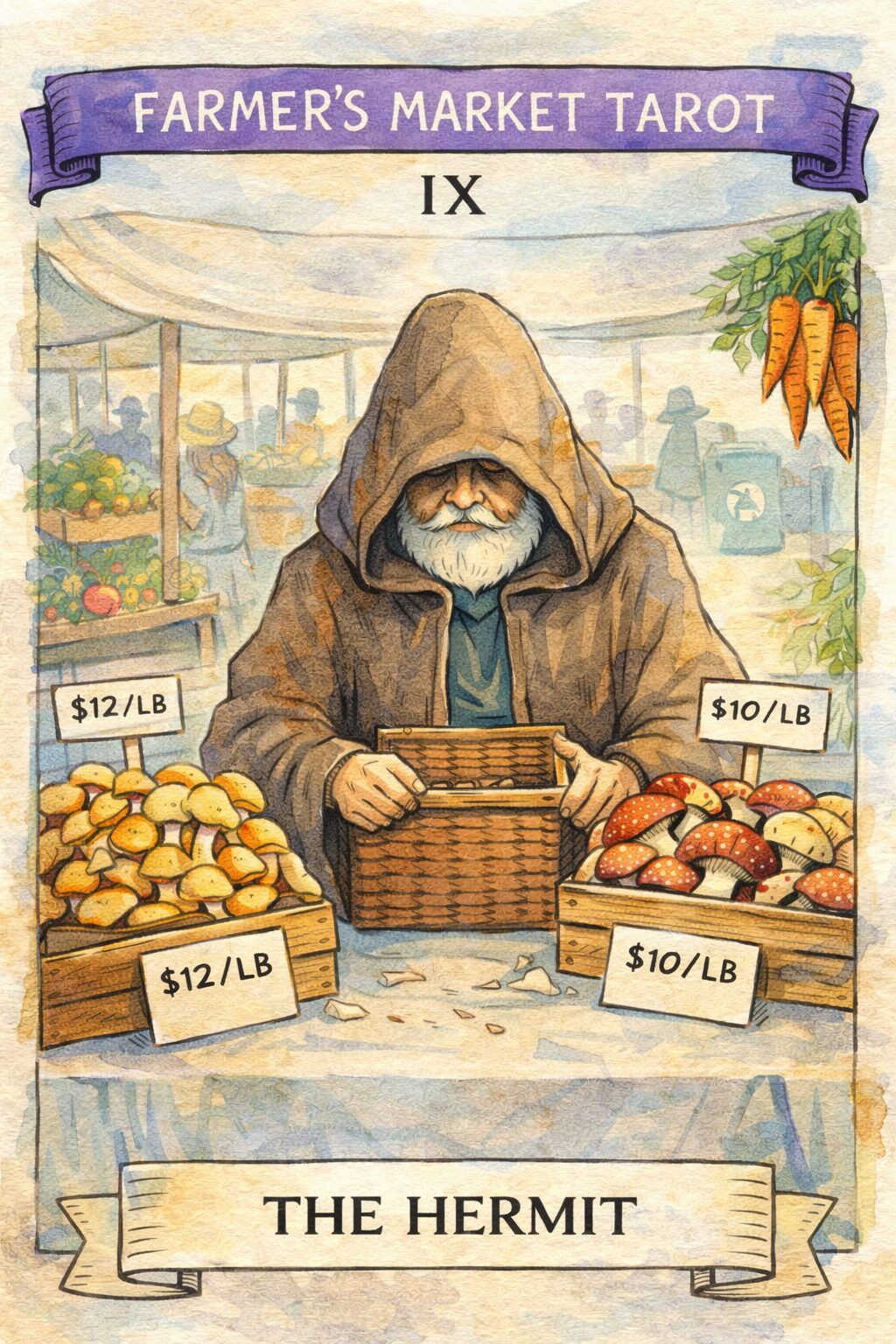
Decks I Do Not Recommend for Beginners
As I teach more introductory classes, I see a lot of different decks, and I am becoming familiar with certain decks that I simply do not recommend as starting points. This is not a judgment on their beauty or creativity. Many of them are wonderful decks once you already know tarot.
Examples I have seen beginners struggle with include:
- Very narrowly focused nature-themed decks, like just mushrooms.
- Literary decks, such as Jane Austen tarot.
- Decks focused on one specific mythological tradition, like Celtic Tarot, unless the images are very intentionally detailed and you have an extensive personal mastery of that tradition.
These decks often replace core symbolic elements with niche references. As a result, beginners not only have a harder time interpreting the images, but the people they read for may struggle to connect with them as well.
Once you have a strong foundation, absolutely choose any deck you love and run with it. Or have half a dozen and circle between them based on your mood. Beauty, joy, and personal resonance matter. But early on, clarity matters more.
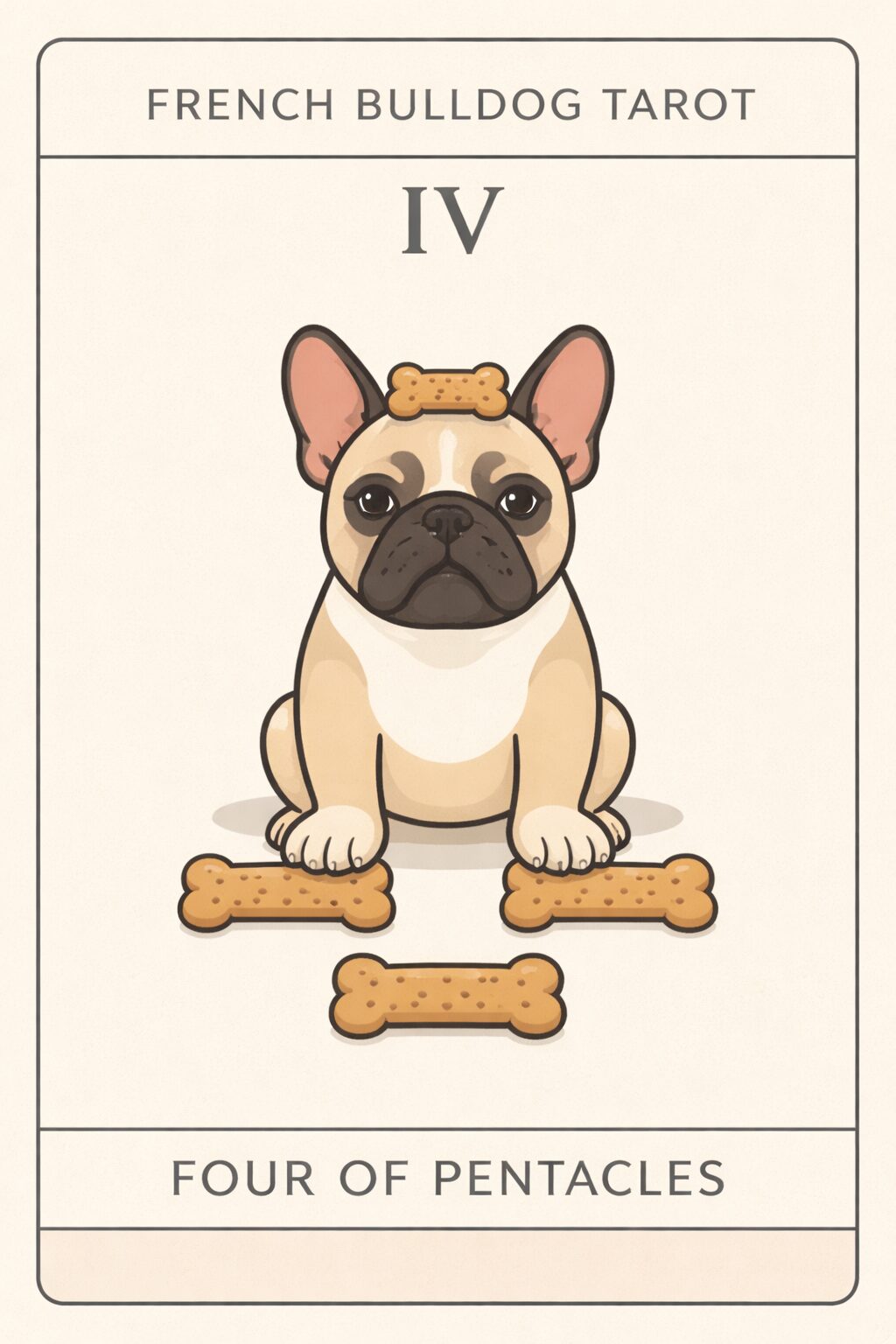
A Deck for Today, and for a Lifetime
If you come to one of my classes with a different deck, I will always support you and help you read with what you have. You are welcome exactly as you are. That said, I may not know anything about the world represented by your tarot, and my ability to help you attach meaning to the images may be limited.
That said, I genuinely encourage beginners to consider investing in a Rider-Waite-Smith deck, or a close modern equivalent. For less than $20, you are not buying a “beginner deck.” You are buying a core deck for a lifetime.
It will give you a strong foundation, deepen your intuitive reading, and make it easier to access the joy, play, and wisdom that tarot has to offer.
That is my opinion, shaped by teaching, reading, and watching many people fall in love with tarot when the images finally start speaking back.
Published on Jan 17 2026
Categories: Weekly Tarot Reading